Critical Incident Stress Debriefing
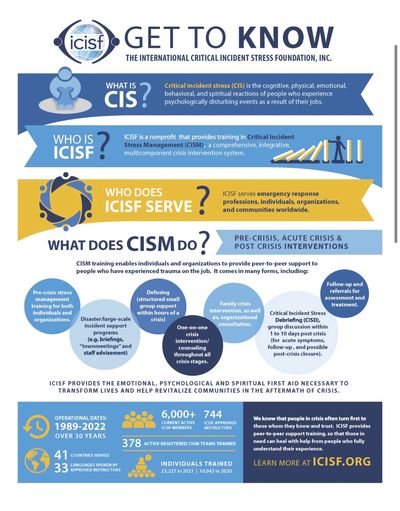
Critical Incident Stress Debriefing
At Wallace Counseling Co, we offer critical incident stress debriefing and management. Think of it like a first aid lesson as the result of a dangerous, critical or difficult situation.
A critical incident debriefing is a structured group conversation held after a traumatic or highly stressful event to help people process what happened, reduce distress, and support recovery.
It is commonly used after incidents such as:
- line-of-duty deaths
- serious accidents
- workplace violence
- natural disasters
- mass casualty events
- traumatic calls for first responders
- events involving children or especially disturbing scenes
What It Usually Looks Like
A trained facilitator leads a small group of people who experienced the event together. The setting is private, supportive, and confidential when possible.
Participants are invited—but not forced—to discuss:
- Facts – What happened from their perspective
- Thoughts – First reactions during or after the event
- Emotional responses – Feelings that came up
- Stress reactions – Sleep issues, irritability, anxiety, numbness, etc.
- Coping strategies – What helps in the next few days
- Resources – When and where to seek more support
What It Is Not
A quality debriefing is not:
- therapy
- an interrogation
- an investigation
- assigning blame
- forcing emotional disclosure
- a one-size-fits-all cure for trauma
Main Goals
- Normalize common stress reactions
- Reduce isolation (“I’m not the only one reacting like this”)
- Provide education about trauma responses
- Encourage peer support
- Identify who may need extra help
- Promote healthy recovery
For more information on CISM or CISD, check out https://icisf.org/